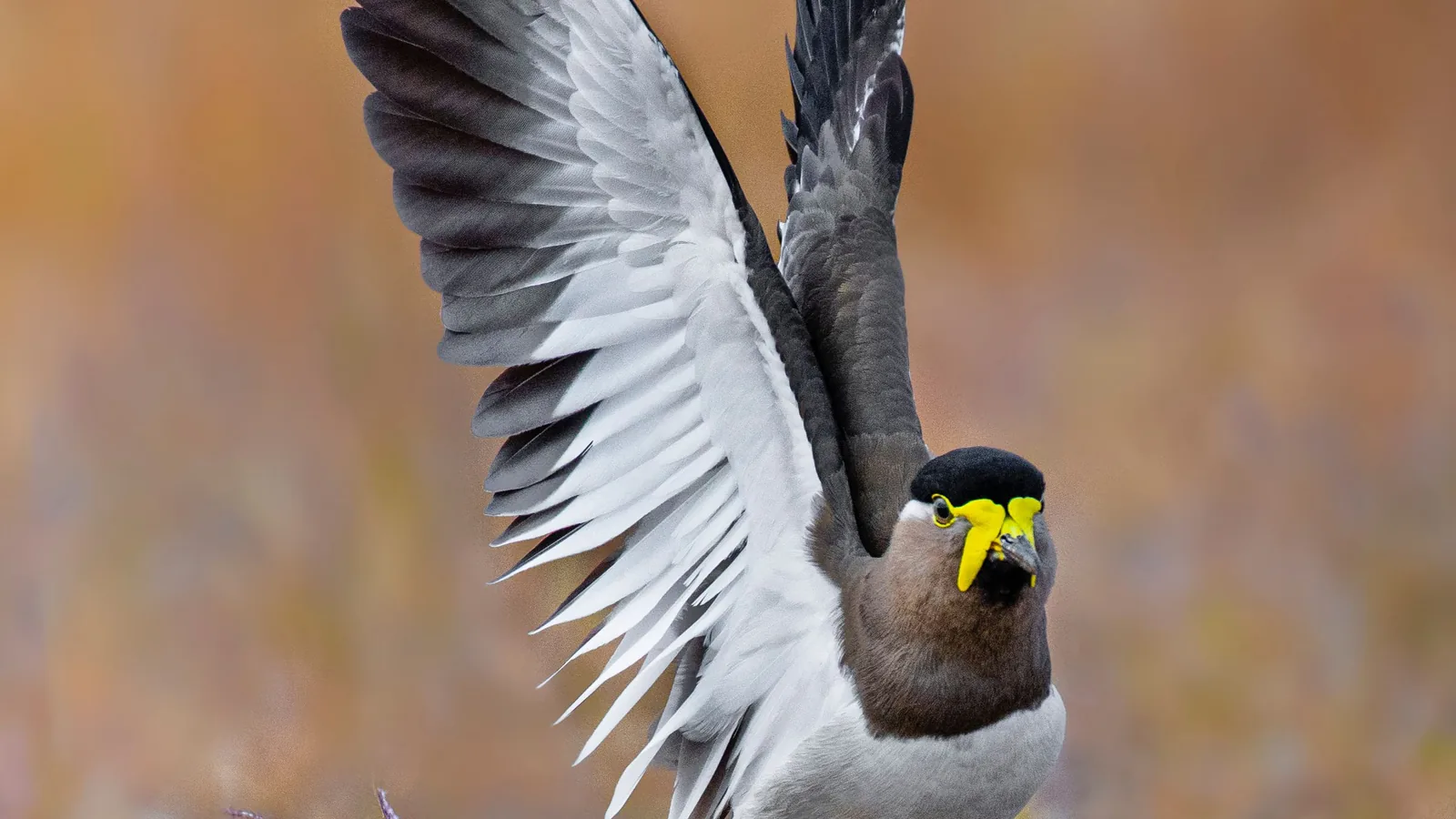
Wildlife photography sits at the meeting point of art, natural history and conservation. In Kent, a county with a long coastline, estuaries, marshes, chalk downland and woodland, there is a wide range of habitats for photographers to work in. This guide looks at the subject in general terms: how wildlife photography is practiced, how it is shown to the public, and where people interested in it can look for information. It does not describe particular individuals or private collections, and it does not list exhibitions that have not been checked. For the rest of the guide, return to the start page.
The Art of Wildlife Photography: Techniques and Ethics
Wildlife photography depends on patience, an understanding of animal behavior and a good sense of light. Many images that look spontaneous have taken hours of waiting in a hide, a cold morning on a marsh or a long walk to find the right vantage point. Techniques vary with the subject. Birds in flight call for fast shutter speeds and careful focusing, while small mammals and insects may need close-focus equipment and a low camera position.
Ethics matter just as much as technique. Responsible practitioners avoid disturbing nesting birds, do not bait animals in ways that change their behavior, and respect the rules that apply to protected sites. Many photographers also decline to publish exact locations of rare species, because publicity can attract crowds or collectors to sensitive places. Honest captioning, which says whether an image is cropped, staged or taken with a long lens from a distance, builds trust with viewers.
Notable Wildlife Photographers and Their Impact
Over the past century, wildlife photography has shaped how the public understands the natural world. Images published in books, magazines and exhibitions have made distant or unfamiliar animals familiar, and they have helped people notice changes in habitats over time. Competitions and juried shows have also set standards for technical quality and for the treatment of animals. Rather than singling out individuals here, this guide suggests that readers explore the work of photographers through their published books, reputable competitions and museum collections, where the context of each image is usually documented.
Wildlife Photography Exhibitions in Kent: A Guide
Exhibitions of wildlife photography in Kent can take place in galleries, libraries, visitor centers, nature reserves and community spaces. Some are long-running displays, while others are short seasonal shows linked to a local festival or a conservation event. Because programs change, anyone planning a visit should check the venue's own information before travelling. Opening times, admission arrangements and the current exhibition titles are best confirmed directly with the venue.
A useful way to find shows is to look at the listings pages of local councils, arts venues and wildlife groups. Local newspapers and community noticeboards also often carry news of photography displays. Anything found this way should be checked for dates and details before it is recommended to others.
How to Capture Stunning Wildlife Images in Kent
Kent offers a useful variety of settings for beginners and experienced photographers alike. Coastal areas attract seabirds and waders, especially outside the summer months, while woodland edges and hedgerows support songbirds, small mammals and insects. Wetlands can be rewarding for reeds, waterbirds and reflections at dawn. Planning helps. Checking tide times, wind direction and the seasonal behavior of the species you want to photograph will often do more for your results than buying new equipment.
Stay on paths, keep a respectful distance, and follow any signage on private land or protected areas. Good wildlife images rarely require approaching an animal closely, and a camera with a long lens and steady support is usually enough for the wider range of subjects found in the county.
Conservation Through the Lens: Photography for a Cause
Photography can support conservation by documenting habitats, showing the effects of pollution or development, and encouraging people to take an interest in local wildlife. Images are often used in campaigns, educational materials and survey records. When photographs are used for this purpose, the source, date and location of each image should be recorded, and the rights of the photographer should be respected. A striking picture can start a conversation, but it is the accurate information around it that makes the message credible.
Where to See Wildlife Photography in Kent
Displays of nature photography can be found in many places across the county, from specialist galleries to town halls and nature centers. Some reserves and visitor sites host temporary exhibitions in their buildings. Others show work on panels along trails. For current information, search the websites of local councils, arts organizations and conservation groups, and check whether the displays are open to the public at the time you plan to visit.
FAQ
What equipment is recommended for wildlife photography?
A camera with a good autofocus system and a telephoto lens is the usual starting point. Many photographers also use a sturdy tripod or monopod, a weather-resistant bag and a way to reduce camera shake. Expensive equipment is helpful but not essential, and skill with field craft matters at least as much.
Are there any wildlife photography workshops in Kent?
Workshops and short courses are sometimes offered by camera clubs, adult education providers and conservation organizations. Availability changes from season to season, so check current listings before making plans. Look for courses that cover both technique and responsible practice.
How can I exhibit my wildlife photographs in Kent?
Local libraries, cafes, community centers and arts societies sometimes host photography displays. Contact the venue to ask about its exhibition policy, space, insurance and how work is selected. Before showing images of animals or habitats, make sure you have the right to use them and that exact locations of sensitive species are not revealed.
If you have a question about this guide, you can write to [email protected] or use the contact page.