This guide is an overview of designers and makers markets in Kent. It explains what such markets are, why people value them, and how to approach them as a visitor or as a seller. It is an independent guide written in general terms. It does not reproduce material from any other publication, and it does not endorse particular stallholders. For related reading, see the group shows pages and the project on a year in the life of Faversham in 2021.
What to Expect at a Designers and Makers Market
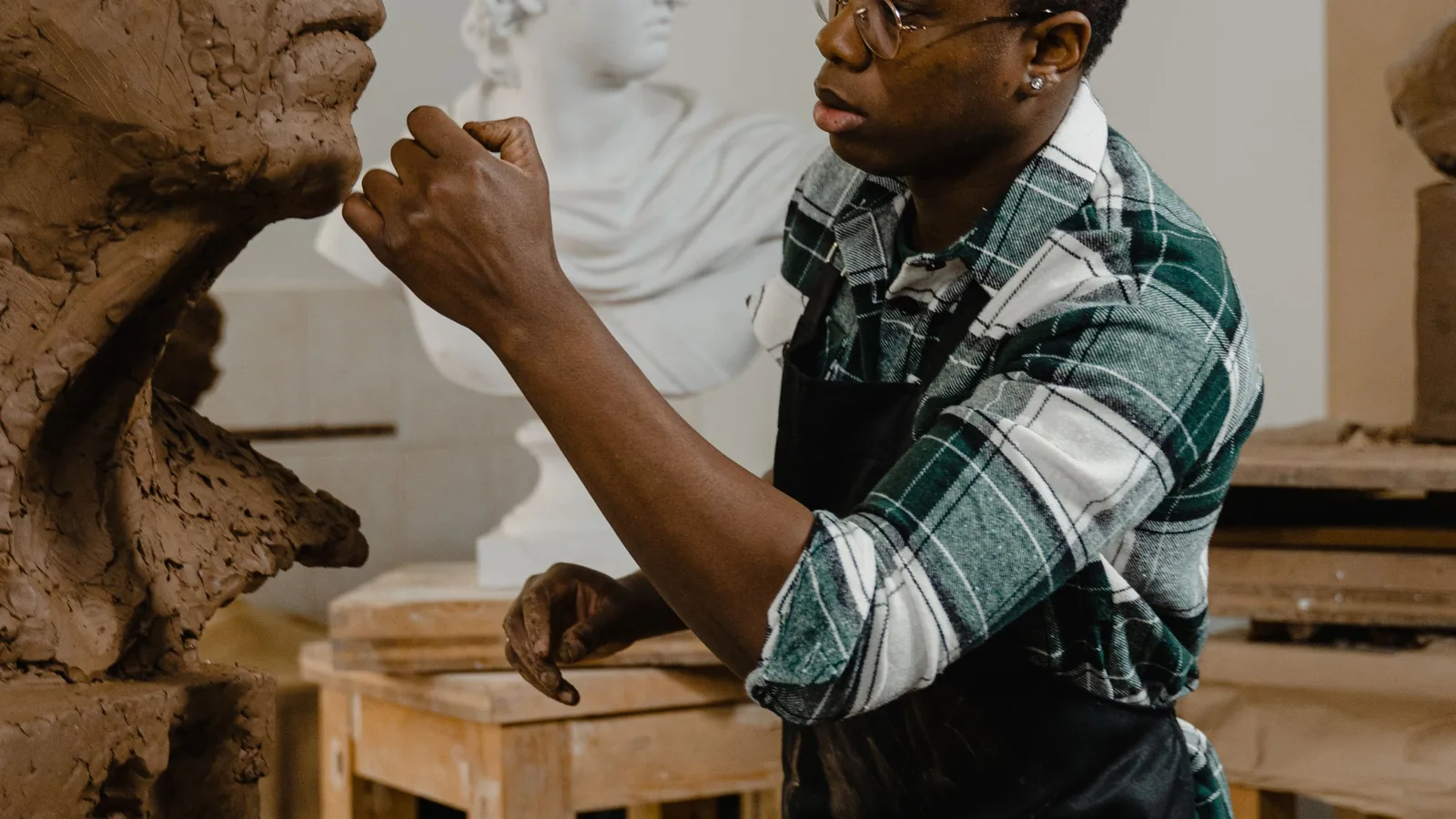
A designers and makers market brings together people who create their own work, from ceramicists and printmakers to jewellers, furniture makers and textile artists. Stalls usually show a curated selection of pieces, and makers are often present to talk about their processes. Visitors can expect a relaxed pace, plenty of conversation and the chance to see work that is not available in shops.
The Benefits of Shopping Local and Handmade
Buying from makers supports small businesses and allows money to stay in the local economy. Handmade goods are often durable and can be repaired or personalised. Many people also value the story behind a piece, because it connects them to the person who made it. This guide does not quote figures on economic impact, since none are confirmed here.
How to Find Quality Craft Markets in Kent
Good craft markets tend to have a clear focus on handmade work, a visible connection between stallholders and their products, and an organiser who explains how stalls are chosen. When looking for a market, check its description carefully and confirm the details with the organisers. Listings change, so it is wise to check current information rather than relying on older notices.
Interviews with Regular Market Vendors
This guide does not include interviews or quotations from vendors, and it does not attribute views to any particular person. Those who want to learn more about how regular stallholders work can ask the organisers at [email protected], who can point to current information.
The Future of Craft Markets in the Digital Age
Craft markets now sit alongside online shops, social platforms and marketplaces, and many makers use several channels at once. Some people discover a maker online and then visit a market to see the work in person. The physical market remains valued for touch, conversation and the chance to see craftsmanship up close, and many organisers are exploring hybrid ways of reaching visitors.
Resources for Aspiring Market Vendors
Makers who are considering a market often want to know how stalls are arranged, what materials to prepare and how to present their work. This guide does not set out application rules or promise any place at a market. For information about how to ask about participation, write to [email protected].
FAQ
How do I become a vendor at a designers and makers market?
Each market has its own process, and this guide does not describe one. To ask about participation, write to [email protected].
What types of products are typically sold?
Designers and makers markets usually sell handmade work such as ceramics, jewellery, prints, textiles, woodwork, candles and small home items. The range varies by event.
Are these markets held year-round?
Some markets run seasonally, especially around Christmas, while others take place at other times of the year. This guide does not give a schedule, so please check current dates with the organisers.
What to check before you go: the dates, venue and stallholder information for any current market, confirmed directly with the organisers.