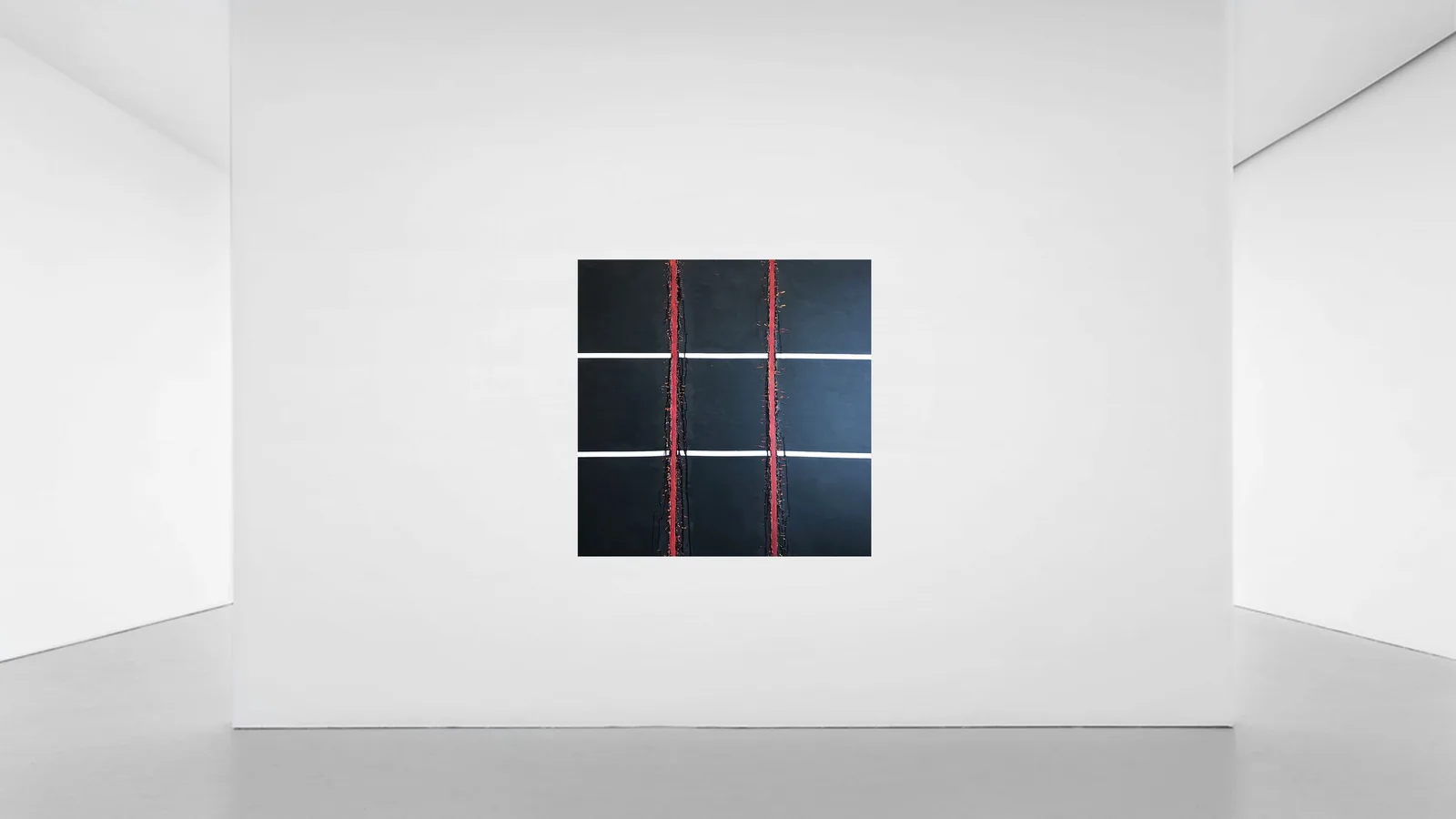
Group shows bring several artists together under one exhibition, one event or one theme. For many makers, a group show is the first time their work is seen by a wider public, and for visitors it is often the easiest way to see a range of styles in one place. In Kent, group exhibitions take place in galleries, community halls, heritage buildings and temporary spaces, and they are organised by artists' collectives, venues, councils and volunteers. This page explains what group shows are, why they matter for the local scene, and how to find and join them.
This guide is an independent information resource. It describes group shows in general and points to some past examples on this site. It does not sell tickets, take bookings or collect entry fees. Details of any current exhibition should be confirmed with its organisers, because dates, venues and opening times change from year to year.
What Are Group Shows and Why They Matter
A group show places several artists side by side. The curator or organiser chooses works that speak to one another, which can reveal connections that a solo exhibition would not. For the artists, a group show spreads the cost of hanging, publicity and hospitality across several people. For the audience, it offers variety and the chance to discover new names.
Group shows also help the local creative economy in less obvious ways. They give emerging artists a line on their CV, bring new visitors into towns and villages, and encourage conversation between makers who might otherwise work in isolation. Many artists first meet their collaborators at an opening or a set-up day.
Major Group Exhibitions in Kent's History
Kent has a long tradition of artists' communities, from the coastal towns to the market towns and rural villages. Group exhibitions have been one of the main ways those communities have shown their work. Rather than list particular shows here, which would require verified dates and details, this guide focuses on the patterns that repeat: seasonal exhibitions tied to holidays, themed shows linked to a place or a material, and open calls where anyone meeting the criteria can submit work.
Examples of earlier activity are listed on this site, such as a past group show, an earlier multi-month project, a past winter market and an earlier awards round. These pages show how events of this kind have been organised in the past. Each page describes its own event, and the details there should be treated as a record of that year.
Upcoming Group Shows and How to Participate
Upcoming group shows are announced when organisers confirm their programme. Typical routes into participation include an open call for submissions, an invitation from a curator, or an application to a venue's exhibition programme. Open calls usually list a deadline, a theme, the format of the work accepted and the way selection will be made. Read these details carefully and keep a copy of what you submitted.
If you are planning to take part, prepare images of your work at a good resolution, write a short statement about the piece or series, and check the size and installation requirements before you apply. Ask the organisers about insurance, transport and the way sales, if any, are handled. The answers differ between events, and asking early avoids surprises.
The Benefits of Participating in Group Shows
Taking part in a group show can build confidence and practical skills. Artists learn how to frame a proposal, how to install work with others, and how to talk to visitors about their practice. A show can lead to new commissions, to invitations to other exhibitions, or to a useful conversation with a curator who later recommends you for a project.
There are also costs to weigh. Framing, transport and time away from the studio can add up, and not every show leads to sales or follow-up work. Before committing, consider whether the theme suits your practice, whether the audience is one you want to reach, and whether the organisers are clear about what they expect from participants.
How to Find Group Show Opportunities in Kent
Good starting points include local arts networks, community noticeboards, university and college contacts, and the websites of galleries and venues. Councils and arts development bodies sometimes publish calls for artists, and creative collectives often share opportunities with their members. Search by town as well as by county, because events are spread across Kent and listings in one area may not appear in another.
Visitors looking for Kent events can use the same approach. Check towns such as Ashford and Deal separately, look at seasonal calendars for festivals and fairs, and compare the dates given by each organiser. If you find an event that is not listed here, you can write to contact@kentcreative.org with the details, and the guide can consider adding it.
Spotlight: Successful Group Shows in Kent
A successful group show is rarely measured only by numbers of visitors. Organisers often judge success by whether the artists felt supported, whether the installation worked well, whether visitors stayed to talk, and whether the event left behind new connections. A show that runs in a small space but brings together a close-knit group of makers can be just as valuable as a larger exhibition in a major venue.
This guide does not present individual shows as award-winning or rank them against one another. Instead, it encourages readers to look at the purpose and content of each event and to decide for themselves what makes it worthwhile.
FAQ
How do I submit my work to a group show in Kent?
Look for an open call or an invitation from the organiser. Follow the submission instructions exactly, including file formats, deadlines and any information about the work. If in doubt, ask the organiser before you apply.
Are there fees to participate in group shows?
Fees differ widely. Some events are free to enter, while others charge a participation fee or take a share of sales. Check the terms of each call and ask the organiser to explain any charges before you agree.
What are the benefits of group shows for emerging artists?
Group shows can offer exposure, practical experience of exhibiting, contact with other artists and curators, and a record that can support future applications. The value depends on the event and on how much you put into preparing for it.